
Cats are known for their enigmatic nature, but one of the most common ways they communicate with us is through meowing. Whether it’s a soft purr or a loud yowl, each meow carries a unique message. Understanding why cats meow and what they’re trying to tell us can significantly strengthen the bond between you and your feline friend.

Cats are known for their enigmatic nature, but one of the most common ways they communicate with us is through meowing. Whether it’s a soft purr or a loud yowl, each meow carries a unique message. Understanding why cats meow and what they’re trying to tell us can significantly strengthen the bond between you and your feline friend.
1. Why Do Cats Meow?
Communication with Humans
Unlike wild cats, domestic cats primarily meow to communicate with humans rather than other cats. This behavior is believed to have developed as a way for cats to interact with their human companions.
Attention-Seeking
Cats often meow to get your attention, whether they’re hungry, lonely, or simply want to play.
Expressing Needs
Meowing can be a way for cats to express their needs, such as food, water, or access to a litter box.
Showing Affection
Some cats meow to greet their owners or show affection. These meows are usually soft and accompanied by purring or rubbing against your legs.
Stress or Anxiety
Excessive meowing can be a sign of stress, anxiety, or underlying health issues. If your cat’s behavior changes suddenly, it’s worth investigating the cause.
2. Decoding Different Types of Meows

Short, High-Pitched Meows
- Meaning: A greeting or a way to get your attention.
- Example: Your cat may meow when you come home or enter the room.
Long, Drawn-Out Meows
- Meaning: A demand or request, such as food or playtime.
- Example: Your cat may meow persistently if their food bowl is empty.
Low-Pitched Meows
- Meaning: Displeasure or annoyance.
- Example: Your cat may make a low meow if you’ve interrupted their nap.
Chirps or Trills
- Meaning: Excitement or a friendly greeting.
- Example: Your cat may chirp when they see a bird outside or when they’re happy to see you.
Hissing or Growling
- Meaning: Fear, aggression, or a warning to stay away.
- Example: Your cat may hiss if they feel threatened by another animal.
3. Common Reasons Cats Meow
Hunger
One of the most common reasons cats meow is to let you know they’re hungry. If your cat meows around mealtime, they’re likely reminding you to fill their bowl.
Loneliness
Cats are social creatures and may meow if they’re feeling lonely or bored. This is especially common in single-cat households.
Stress or Anxiety
Changes in the environment, such as moving to a new home or introducing a new pet, can cause stress and lead to excessive meowing.
Aging
Older cats may meow more due to cognitive decline or health issues such as arthritis or hearing loss.
Mating Behavior
Unspayed or unneutered cats may meow excessively during mating season to attract a partner.
4. How to Respond to Your Cat’s Meows

Identify the Cause
Pay attention to the context of the meow. Is your cat hungry, bored, or stressed? Understanding the reason behind the meow will help you respond appropriately.
Provide for Their Needs
If your cat is meowing for food, water, or attention, make sure their needs are met. Stick to a consistent routine to reduce anxiety.
Avoid Reinforcing Unwanted Behavior
If your cat meows for attention and you respond every time, they may learn that meowing gets them what they want. Instead, reward quiet behavior with treats or affection.
Create a Stimulating Environment
Provide toys, scratching posts, and interactive playtime to keep your cat entertained and reduce boredom-related meowing.
5. When Excessive Meowing Is a Cause for Concern
Health Issues
Excessive meowing can be a sign of underlying health problems, such as hyperthyroidism, dental pain, or kidney disease. If your cat’s meowing is accompanied by other symptoms like weight loss or lethargy, consult your veterinarian.
Cognitive Dysfunction
Older cats may meow more due to cognitive dysfunction syndrome (CDS), which is similar to Alzheimer’s in humans. Your vet can recommend treatments or strategies to manage this condition.
Anxiety or Stress
Changes in the household, such as a new pet or a move, can cause stress and lead to excessive meowing. Provide a safe, quiet space for your cat and consider using calming products like pheromone diffusers.
6. Tips for Reducing Excessive Meowing

Stick to a Routine
Cats thrive on routine. Feed them at the same time each day and provide regular playtime to reduce anxiety and attention-seeking meows.
Provide Mental Stimulation
Keep your cat mentally engaged with puzzle toys, window perches, and interactive games. A stimulated cat is less likely to meow out of boredom.
Train Your Cat
Use positive reinforcement to teach your cat quiet behaviors. Reward them with treats or affection when they’re calm and quiet.
Consider a Companion
If your cat is lonely, consider adopting a second cat to keep them company. Ensure proper introductions to avoid stress.
7. Understanding Silent Meows
What Is a Silent Meow?
Some cats open their mouths as if to meow but no sound comes out. This is known as a silent meow.
Why Do Silent Meows Happen?
Silent meows are often a sign of affection or a way to communicate quietly. Some cats use silent meows to greet their owners or express contentment.
8. Communication Beyond Meowing
Body Language
Cats communicate through body language, including tail position, ear movement, and facial expressions. Understanding these cues can help you interpret your cat’s feelings.
Purring
Purring is often a sign of contentment, but cats may also purr when they’re in pain or anxious. Pay attention to the context to understand what your cat is trying to convey.
Hissing and Growling
These sounds indicate fear, aggression, or a warning to back off. If your cat hisses or growls, give them space and avoid provoking them.
Tail Movements
A wagging tail doesn’t always mean happiness. A flicking or lashing tail can indicate irritation, while a puffed-up tail signals fear or aggression.
9. How to Strengthen Your Bond with Your Cat
Spend Quality Time Together
Engage in activities your cat enjoys, such as grooming, playing, or cuddling. This will help build trust and strengthen your bond.
Learn Their Preferences
Every cat is unique. Pay attention to your cat’s likes and dislikes to create a comfortable and happy environment for them.
Be Patient
Building a strong relationship with your cat takes time. Be patient and allow your cat to come to you on their terms.
Conclusion
Cats are fascinating creatures with a wide range of vocalizations and behaviors. By understanding why cats meow and what they’re trying to communicate, you can respond to their needs effectively and strengthen your bond. Whether your cat is meowing for food, attention, or out of stress, being attentive and proactive will ensure they feel loved and understood. Remember, excessive or unusual meowing may indicate an underlying issue, so always consult your veterinarian if you have concerns. With patience and care, you and your feline friend can enjoy a harmonious and fulfilling relationship.
Popular Posts

The Ultimate Guide to Dental Care for Dogs and Cats
Maintaining the health of your pets goes beyond just providing regular food and exercise; dental care is a crucial aspect that often gets overlooked. Just like humans, dogs and cats can suffer from dental diseases that may lead to serious health issues if left untreated.

Socializing Your Pet: Tips for a Confident and Friendly Companion
Socialization is one of the most important aspects of pet ownership that can significantly impact your pet's behavior and overall well-being. A well-socialized pet is more likely to be confident, friendly, and comfortable in various environments.
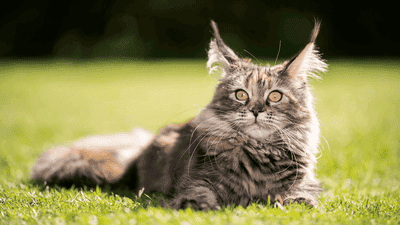
Meet the Maine Coon: The Gentle Giant of the Cat World
The Maine Coon cat is a breed that captures the hearts of many with its striking appearance and affectionate personality. Known for their impressive size, tufted ears, and bushy tails, these gentle giants are not only one of the largest domesticated cat breeds but also one of the most beloved.

How to Keep Your Pet Calm and Comfortable on Long Journeys
aveling with pets can be a rewarding experience, but it can also present challenges, especially on long journeys. Whether you're heading out for a family vacation, a move across the country, or a visit to the veterinarian, it's essential to ensure that your pet is calm and comfortable throughout the trip.

How to Stop Your Puppy from Chewing Everything in Sight
Bringing a puppy into your life can be an incredibly joyful experience. Their playful nature, boundless energy, and affection often brighten our days. However, one of the most common challenges puppy owners face is the tendency for their young dogs to chew on anything and everything in sight.

Labrador Retriever: Why This Breed Is America's Favorite Dog
The Labrador Retriever is often hailed as America’s favorite dog breed, and with good reason. Known for their friendly demeanor, intelligence, and versatility, Labs have earned their place in countless homes as beloved family companions.